


Cream Puffs: A Classic Pastry with a Light, Creamy Center
Cream puffs are crisp, golden pastries filled with a smooth, sweet filling. Though they look delicate and elegant, their ingredients are simple: flour, butter, water, and eggs for the pastry, plus cream or custard for the filling. The contrast between the airy shell and rich center makes cream puffs a favorite at bakeries, celebrations, and dessert tables.
What Are Cream Puffs?
A cream puff is made from pâte à choux (pronounced “pat ah shoo”), a versatile French pastry dough. Unlike many doughs, choux pastry is cooked briefly on the stovetop before eggs are mixed in. In the oven, the moisture in the dough turns to steam, causing each pastry to puff and form a hollow center. Once cooled, the shell can be filled with cream.
Cream puffs are often topped with a dusting of powdered sugar, a drizzle of chocolate, or a thin glaze. They’re related to other choux pastries, including éclairs and profiteroles, but their round shape is what gives cream puffs their familiar look.
A Little History
Choux pastry has roots in French baking and became a foundation for many well-known desserts. Over time, bakers developed different ways to shape, fill, and decorate it. Cream puffs are now enjoyed around the world, with variations that reflect local flavors and traditions.
Popular Cream Puff Fillings
Vanilla pastry cream and lightly sweetened whipped cream are classic choices, but cream puffs can be filled in plenty of ways. Some popular options include:
- Pastry cream: A thick, custard-like filling that’s smooth and rich.
- Whipped cream: Light and airy, with a delicate sweetness.
- Diplomat cream: Pastry cream folded with whipped cream for a softer texture.
- Chocolate cream: A chocolate-flavored custard or whipped filling.
- Flavored creams: Fillings made with ingredients such as coffee, citrus, fruit, or praline.
What Makes a Good Cream Puff?
A well-made cream puff has a shell that is lightly crisp on the outside and hollow inside, with enough structure to hold its filling. The filling should be smooth and flavorful without making the pastry soggy. For the best texture, cream puffs are usually filled shortly before serving.
Tips for Making Cream Puffs at Home
- Measure carefully. Choux pastry depends on the right balance of liquid, flour, and eggs.
- Add the eggs gradually. The dough should be smooth and glossy, and it should hold its shape when piped.
- Avoid opening the oven too early. A sudden drop in temperature can cause the pastries to collapse before they set.
- Let the shells dry out. After baking, a small opening can help steam escape and keep the centers from becoming damp.
- Fill them close to serving time. This helps the shells stay crisp.
How to Serve and Store Cream Puffs
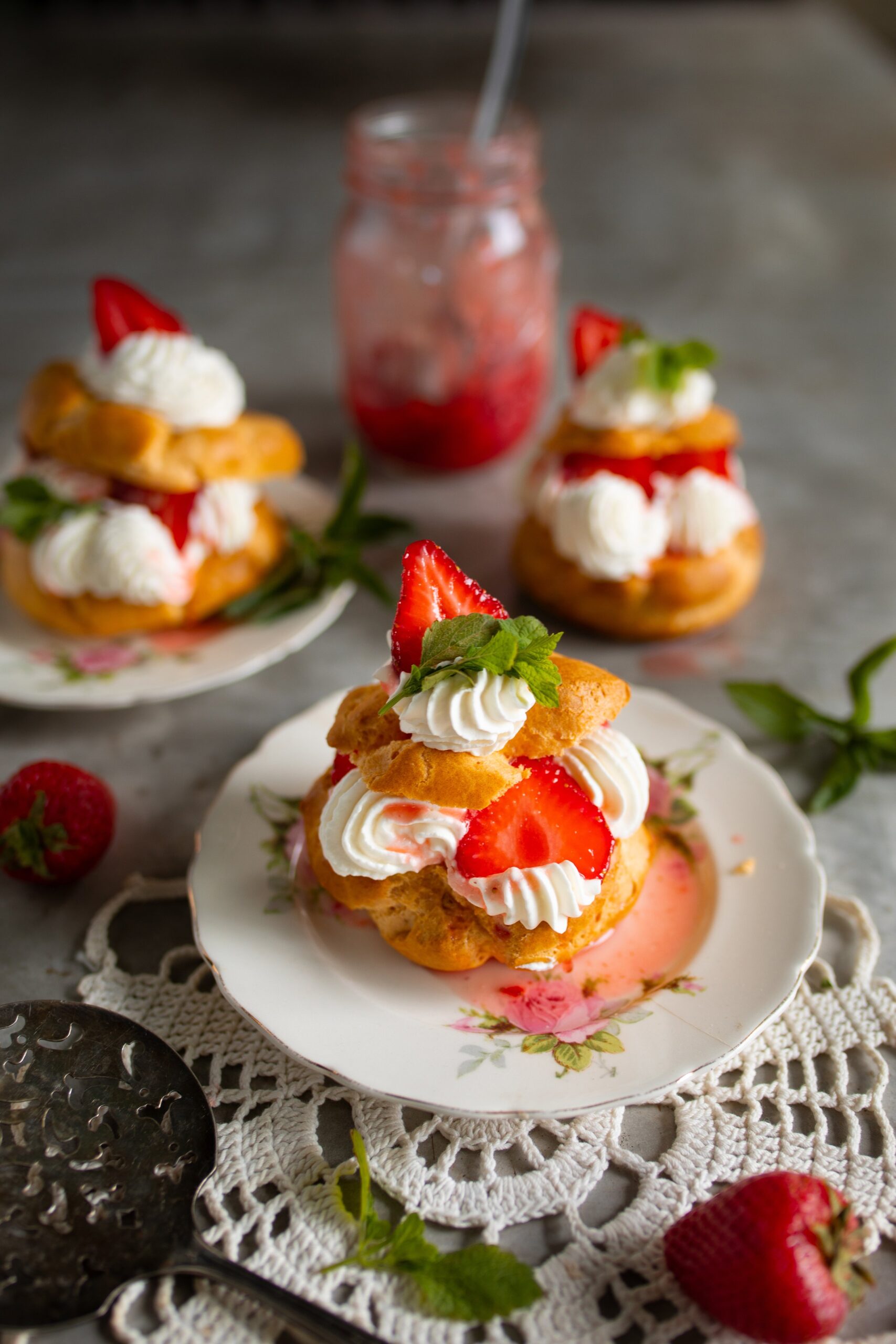
Cream puffs are delicious chilled or served shortly after filling. For an extra-special finish, add powdered sugar, chocolate sauce, or fresh berries. Because their fillings often contain dairy, filled cream puffs should be refrigerated and enjoyed within a short time. Unfilled shells can be stored separately and crisped briefly in the oven before use.
Whether enjoyed plain or dressed up for a special occasion, cream puffs bring together simple ingredients and classic pastry technique. Their crisp shells, creamy centers, and endless flavor possibilities make them a timeless dessert.
7 Essential Tips for Perfect Cream Puffs Every Time
- Use room-temperature eggs for smoother dough.
- Add eggs gradually and mix well.
- Pipe evenly sized mounds for consistent baking.
- Bake until deeply golden and dry.
- Avoid opening the oven while they bake.
- Cool shells completely before filling.
- Fill just before serving to keep shells crisp.
Use room-temperature eggs for smoother dough.
For smoother cream puff dough, use eggs that have reached room temperature. They blend more easily into the warm flour mixture than cold eggs, helping the dough come together evenly and develop the glossy texture needed for piping. If you forgot to take the eggs out ahead of time, place them in a bowl of warm water for a few minutes before using.
Add eggs gradually and mix well.
Add the eggs to your cream puff dough gradually, mixing well after each addition. This helps the dough absorb the eggs evenly and gives you better control over its consistency. The finished dough should be smooth and glossy, thick enough to hold its shape when piped, but soft enough to fall slowly from a spoon. Too much egg can make it runny, so pause to check the texture as you go.
Pipe evenly sized mounds for consistent baking.
Pipe the cream puff dough into evenly sized mounds so they bake at the same rate. Consistent portions help each puff turn golden and crisp at the same time, while reducing the chance of smaller ones drying out or larger ones staying underbaked. For neat results, use a piping bag and leave space between the mounds so the dough has room to expand in the oven.
Bake until deeply golden and dry.
Bake cream puffs until they’re deeply golden and feel dry, not pale or soft. A well-baked shell has had enough time to set and release moisture, helping it keep its shape instead of collapsing as it cools. If the puffs are still damp inside, give them a few more minutes in the oven, watching closely so they don’t burn.
Avoid opening the oven while they bake.
Avoid opening the oven while cream puffs bake, especially during the first part of baking. They rise as moisture in the dough turns to steam, and a sudden drop in oven temperature can interrupt that process before the shells have set. Keep the oven door closed until the puffs look golden and firm so they’re less likely to collapse.
Cool shells completely before filling.
Let cream puff shells cool completely before filling them. Warm shells can melt whipped cream or soften pastry cream, making the filling runny and the pastry soggy. Cooling also helps the shells keep their crisp texture, so each cream puff stays light and delicious.
Fill just before serving to keep shells crisp.
For the best texture, fill cream puffs just before serving. The pastry shells naturally absorb moisture from the cream, which can make them soft over time. Adding the filling at the last minute helps preserve their crisp, delicate exterior while keeping the center smooth and creamy.