


The Art of Filo Pastry Tarts
Filo pastry, also known as phyllo pastry, is a delicate and versatile dough that has been used in traditional Mediterranean and Middle Eastern cuisine for centuries. One of the most popular and delicious ways to showcase filo pastry is in the form of a tart.
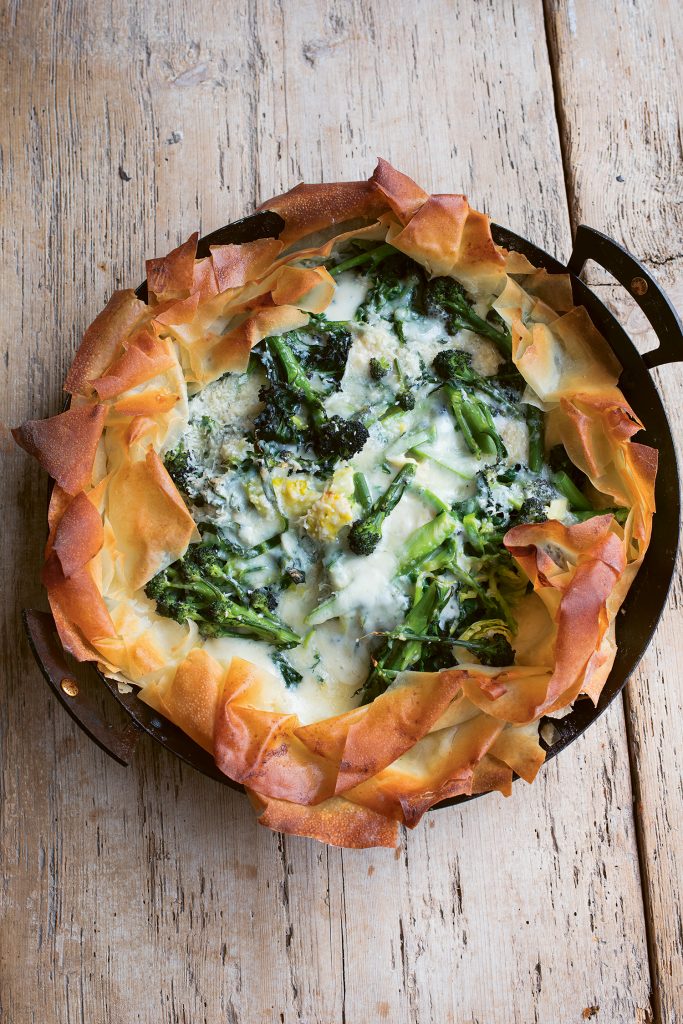
A filo pastry tart typically consists of multiple layers of paper-thin filo dough brushed with butter or oil, creating a crisp and flaky crust that encases a variety of sweet or savory fillings. The process of layering the filo sheets requires patience and skill, but the result is well worth the effort.
When it comes to fillings, the possibilities are endless. For a sweet filo pastry tart, you can use ingredients like fresh fruits, nuts, honey, and spices to create a delectable dessert that is both light and satisfying. Savory filo pastry tarts often feature combinations of vegetables, cheeses, meats, and herbs that make for a flavorful and elegant dish.
What sets filo pastry tarts apart is their unique texture – crispy on the outside yet tender on the inside. The contrast between the buttery layers of filo dough and the rich filling creates a harmonious blend of flavors and textures that tantalize the taste buds.
Whether you’re looking to impress guests at a dinner party or simply indulge in a delicious treat, filo pastry tarts are sure to be a hit. With their delicate appearance and exquisite taste, these tarts are not just culinary creations but works of art that showcase the beauty and versatility of filo pastry.
Next time you’re in the mood for something special, consider trying your hand at making a filo pastry tart – it’s an experience that will delight your senses and elevate your appreciation for this ancient dough.
Your Guide to Filo Pastry: Answers to 9 Common Questions About Making Tarts
- Can you use filo pastry to make pies?
- Can you use filo pastry for jam tarts?
- Is there a difference between filo and phyllo?
- What can I make with my filo pastry?
- How many layers of phyllo dough should I use?
- What is filo pastry used for?
- How do I use filo pastry?
- Can you make a tart with filo pastry?
- Which is healthier filo or puff?
Can you use filo pastry to make pies?
When it comes to using filo pastry to make pies, the answer is a bit nuanced. While filo pastry is traditionally used for making tarts, it can also be utilized to create pie-like dishes with a twist. Filo pastry’s thin and delicate nature lends itself well to creating crispy and flaky crusts, which can be a delightful alternative to traditional pie crusts. By layering the filo sheets and brushing them with butter or oil, you can achieve a light and airy texture that complements both sweet and savory fillings. So, while filo pastry may not be the go-to choice for classic pies, it certainly offers a unique and delicious option for those looking to experiment with different pastry techniques in their culinary creations.
Can you use filo pastry for jam tarts?
When it comes to making jam tarts, using filo pastry can offer a unique twist to this classic treat. While traditional shortcrust pastry is commonly used for jam tarts due to its crumbly texture and buttery flavor, filo pastry can bring a delightful crunch and lightness to the dessert. The thin layers of filo dough can provide a delicate contrast to the sweet and sticky jam filling, creating a more elegant and sophisticated version of the traditional jam tart. Experimenting with filo pastry for jam tarts can result in a delicious fusion of textures and flavors that may surprise and delight your taste buds.
Is there a difference between filo and phyllo?
When it comes to the question of whether there is a difference between filo and phyllo, the answer lies in the spelling rather than the product itself. Filo and phyllo are actually two different transliterations of the same Greek word, which refers to the thin dough used in making delicate pastries. While “filo” is more commonly used in British English, “phyllo” is the preferred term in American English. Despite this slight variation in spelling, both terms refer to the same thin dough that is popularly used in creating delicious and flaky pastries like filo pastry tarts.
What can I make with my filo pastry?
When it comes to filo pastry, the possibilities are endless. Filo pastry is a versatile dough that can be used to create a wide range of delicious dishes, from sweet to savory. With filo pastry, you can make traditional treats such as baklava, spanakopita, or börek. For a sweet indulgence, you can whip up fruit-filled turnovers, crispy strudels, or elegant tarts. On the savory side, filo pastry is perfect for making appetizers like samosas, spring rolls, or stuffed pastries. Whether you’re in the mood for a comforting dessert or a flavorful snack, filo pastry is your ticket to culinary creativity and satisfaction.
How many layers of phyllo dough should I use?
When it comes to making filo pastry tarts, a common question that arises is, “How many layers of phyllo dough should I use?” The answer to this question often depends on personal preference and the desired texture of the tart. Typically, a filo pastry tart requires multiple layers of phyllo dough, with each layer brushed with butter or oil to create that signature flaky crust. Some recipes may call for as few as 6-8 layers, while others may require up to 20 layers or more for a thicker and more substantial base. Experimenting with different layering techniques can help achieve the perfect balance of crispiness and tenderness in your filo pastry tart.
What is filo pastry used for?
Filo pastry, also known as phyllo pastry, is a versatile dough that is commonly used in both sweet and savory dishes. Its thin and delicate layers create a crisp and flaky texture when baked, making it ideal for creating pastries, tarts, pies, and appetizers. In sweet recipes, filo pastry is often used to make desserts like baklava, fruit tarts, and strudels. On the savory side, filo pastry is perfect for making dishes such as spanakopita (spinach pie), cheese triangles, and meat-filled pastries. The versatility of filo pastry makes it a favorite among chefs and home cooks alike for its ability to add a light and crispy touch to a wide range of culinary creations.
How do I use filo pastry?
When it comes to using filo pastry, handling this delicate dough requires a gentle touch and a bit of finesse. To begin, it’s essential to thaw the filo properly if using frozen sheets, allowing them to come to room temperature while keeping them covered with a damp towel to prevent drying out. Brushing each layer with melted butter or oil helps create that signature flaky texture, ensuring a crispy finish. Remember to work quickly but carefully when layering the sheets, as they can tear easily. Whether you’re making a sweet dessert or a savory dish, mastering the art of handling filo pastry will elevate your culinary creations to new heights of deliciousness.
Can you make a tart with filo pastry?
Yes, you can absolutely make a tart with filo pastry! Filo pastry is a wonderful choice for creating tarts due to its thin, delicate layers that bake up into a crispy and flaky crust. When using filo pastry for a tart, you simply layer the sheets with butter or oil in between to create a beautiful base for your filling. Whether you prefer a sweet fruit-filled tart or a savory vegetable-packed one, filo pastry provides a light and crispy foundation that complements a wide range of flavors. Experimenting with filo pastry in tarts allows for endless creativity and delicious results that are sure to impress your taste buds.
Which is healthier filo or puff?
When comparing filo pastry to puff pastry in terms of health benefits, filo pastry is often considered the healthier option. Filo pastry is made with minimal fat, typically just a small amount of oil or butter brushed between the layers, resulting in a lower overall fat content compared to puff pastry, which is made with a higher proportion of butter or shortening. Additionally, filo pastry is thinner and lighter than puff pastry, making it lower in calories and fat per serving. While both types of pastry can be enjoyed in moderation as part of a balanced diet, those looking for a lighter alternative may opt for filo pastry when preparing their favorite tarts or pastries.