


Profiteroles: A Classic French Pastry with Endless Possibilities
Light, crisp, and filled with something delicious, profiteroles are small pastries that make a memorable impression. Made from airy choux pastry, they’re commonly filled with ice cream, pastry cream, or whipped cream and finished with chocolate sauce. Though elegant enough for a special occasion, profiteroles are also wonderfully simple in concept: a crisp shell, a creamy center, and a sweet topping.
What Are Profiteroles?
Profiteroles are bite-sized pastries made from pâte à choux, or choux pastry. Unlike many pastry doughs, choux is cooked briefly on the stovetop before it is baked. As the dough bakes, moisture turns to steam, causing the pastries to puff and form hollow centers—perfect for filling.
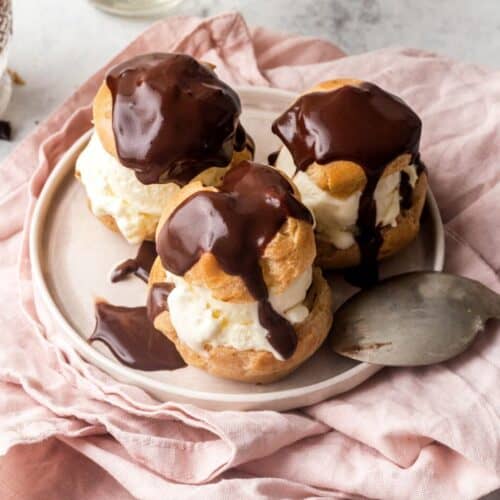
In the United States, profiteroles are often served with vanilla ice cream and warm chocolate sauce. In France, they may be filled with ice cream or cream and presented with chocolate sauce, sometimes as part of a plated dessert. The name is also associated with cream-filled choux pastries more generally, so fillings and presentations can vary.
A Brief History
Choux pastry has a long history in European baking. It became an important part of French pastry-making, where cooks used it to create a wide range of treats, including éclairs, cream puffs, and profiteroles. The word “profiterole” has appeared in French culinary history for centuries, although the pastry’s exact forms and meanings have changed over time.
Today, profiteroles are enjoyed around the world. Their small size makes them easy to serve at dinner parties, celebrations, and pastry counters, while their simple structure welcomes creative fillings and toppings.
How Profiteroles Are Made
Choux pastry is typically made with water or milk, butter, flour, and eggs. The liquid and butter are heated, the flour is stirred in to form a dough, and the mixture is cooked briefly to dry it out. Eggs are then beaten into the dough until it is smooth and pipeable.
Small rounds are piped onto a baking sheet and baked until puffed and golden. A good profiterole should be light inside, with a shell sturdy enough to hold its filling. Once cooled, the pastries can be split or filled through a small opening using a piping bag.
Popular Fillings and Toppings
Vanilla ice cream and chocolate sauce are a classic combination, but profiteroles can be adapted to suit many tastes:
- Pastry cream: A smooth, custard-like filling that can be flavored with vanilla, coffee, chocolate, or citrus.
- Whipped cream: Light and soft, often sweetened and flavored to complement the pastry.
- Ice cream: A refreshing choice, especially when paired with warm sauce and served immediately.
- Chocolate: Chocolate pastry cream or ganache adds a rich, decadent touch.
- Fruit: Berry cream, lemon filling, or fresh fruit can bring brightness to the dessert.
Chocolate sauce is a popular finish, but caramel, fruit sauces, powdered sugar, or a simple glaze can work just as well. For a dramatic presentation, profiteroles can be stacked into a tall tower and decorated with sauce or spun sugar.
Tips for Enjoying Profiteroles
Profiteroles are best assembled close to serving time. Moist fillings can soften the pastry shells, so filling them shortly before serving helps preserve their crispness. If serving them with ice cream, add the ice cream and warm sauce just before bringing the dessert to the table.
The shells can be baked ahead and stored in an airtight container once completely cool. If they lose their crispness, a brief return to the oven can help refresh them. Allow them to cool again before adding the filling.
A Little Pastry, Many Possibilities
Profiteroles showcase the charm of choux pastry: a few familiar ingredients transform into a light, hollow shell that can hold an almost endless range of flavors. Whether filled with classic vanilla cream and topped with chocolate or given a fresh, modern twist, these petite pastries offer a satisfying balance of texture, richness, and sweetness.
Profiteroles FAQ: Fillings, Choux Pastry, Troubleshooting, Storage, and Serving Tips
- What are profiteroles?
- What is the difference between profiteroles and cream puffs?
- What are profiteroles traditionally filled with?
- How do you make choux pastry for profiteroles?
- Why didn’t my profiteroles puff up?
- How do you keep profiteroles crisp?
- Can you make profiteroles ahead of time?
- How should profiteroles be stored?
- What sauce is traditionally served with profiteroles?
What are profiteroles?
Profiteroles are small, round pastries made from light, airy choux pastry. Once baked, their hollow centers are filled with ice cream, whipped cream, or pastry cream, then often topped with chocolate sauce. Crisp on the outside and creamy inside, profiteroles are a classic French dessert enjoyed around the world.
What is the difference between profiteroles and cream puffs?
Profiteroles and cream puffs are both made from choux pastry, so they’re very similar. The main difference is how they’re typically served: cream puffs are usually filled with whipped cream or pastry cream and may be dusted with powdered sugar, while profiteroles are often filled with ice cream and served with chocolate sauce. The terms can overlap, though, and recipes vary by region.
What are profiteroles traditionally filled with?
Profiteroles are traditionally filled with whipped cream, pastry cream, or vanilla ice cream, depending on the recipe and region. They’re often served with warm chocolate sauce, which complements the light choux pastry and creamy filling.
How do you make choux pastry for profiteroles?
To make choux pastry for profiteroles, heat water (or a mixture of water and milk) with butter and a pinch of salt in a saucepan until the butter melts and the liquid comes to a boil. Add the flour all at once and stir vigorously until the mixture forms a smooth ball and pulls away from the sides of the pan; cook it for another minute to dry it slightly. Transfer the dough to a bowl and let it cool briefly, then beat in the eggs one at a time until the pastry is smooth, glossy, and soft enough to pipe while still holding its shape. Pipe small mounds onto a baking sheet and bake until puffed and golden. Avoid opening the oven too early, as the pastries may collapse before their shells have set.
Why didn’t my profiteroles puff up?
Profiteroles may not puff up if the choux dough is too wet or too dry, the eggs weren’t fully incorporated, or the oven wasn’t hot enough. Opening the oven door too early can also release heat and cause the pastries to collapse. For best results, measure ingredients carefully, add the eggs gradually until the dough is smooth and pipeable, and bake in a fully preheated oven without opening the door during the initial baking. The shells should be well browned and firm before you take them out; underbaked profiteroles can deflate as they cool.
How do you keep profiteroles crisp?
To keep profiteroles crisp, bake the shells until they’re deeply golden and dry, then let them cool completely before storing them in an airtight container at room temperature. Avoid filling them until shortly before serving, since cream or ice cream can soften the pastry. If the shells lose their crispness, warm them in a low oven for a few minutes, then cool completely before filling.
Can you make profiteroles ahead of time?
Yes, profiteroles can be made ahead of time. Bake the choux pastry shells and let them cool completely, then store them in an airtight container at room temperature for up to a day. For the best texture, fill them shortly before serving, since cream or ice cream can soften the shells. If the shells have lost their crispness, warm them in a low oven for a few minutes and let them cool before filling.
How should profiteroles be stored?
Store unfilled profiterole shells in an airtight container at room temperature for up to two days, or freeze them for longer storage. To restore their crispness, warm the shells in a low oven for a few minutes, then let them cool completely before filling. Once filled, profiteroles should be refrigerated and are best enjoyed the same day, since the filling can soften the pastry. Keep ice-cream-filled profiteroles in the freezer and serve them shortly after adding the sauce.
What sauce is traditionally served with profiteroles?
Profiteroles are traditionally served with warm chocolate sauce, which is poured over the pastry shells just before serving. The rich sauce pairs especially well with profiteroles filled with vanilla ice cream or pastry cream, creating a delicious contrast of crisp pastry, cool or creamy filling, and smooth chocolate.