


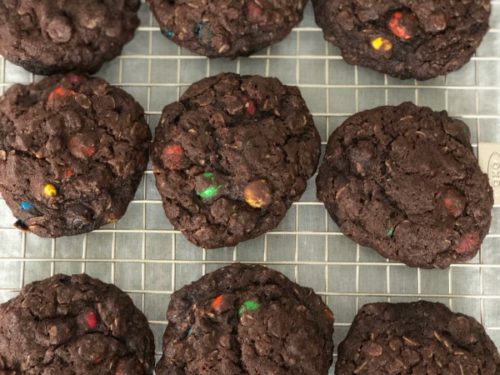

Lactation Cookies: What They Are and What to Know
Lactation cookies are cookies made with ingredients that are traditionally believed to support breast milk production. They’re often prepared with oats, flaxseed, or brewer’s yeast. For many parents, they’re simply a convenient, satisfying snack during the busy postpartum period.
Despite their name, lactation cookies are not a guaranteed way to increase milk supply. Research on the specific ingredients is limited, and people’s experiences vary. It’s helpful to think of them as food—not a substitute for feeding support or medical care.
Common Ingredients in Lactation Cookies
- Oats: A source of carbohydrates and fiber, oats are a common base for cookies and other snacks.
- Flaxseed: Ground flaxseed adds fiber and a mild, nutty flavor. It also helps bind ingredients in some recipes.
- Brewer’s yeast: This ingredient has a savory, slightly bitter taste and is often included in traditional recipes. It is different from baking yeast.
- Other additions: Chocolate chips, nuts, dried fruit, and nut or seed butters can add flavor and energy.
Do Lactation Cookies Increase Milk Supply?
There is not strong scientific evidence that lactation cookies reliably increase breast milk production. While some people feel they help, it can be difficult to tell whether a change is due to the cookies, more frequent feeding or pumping, improved rest, or other factors.
Milk production is generally influenced by how often and effectively milk is removed from the breasts. If you’re concerned about supply, a lactation consultant or health care professional can help assess feeding, pumping, and your baby’s growth. Seek prompt medical advice if your baby is unusually sleepy, has fewer wet diapers than expected, or is not gaining weight as anticipated.
Are Lactation Cookies Safe?
Cookies made with familiar food ingredients are generally treated like other baked goods, but recipes can contain common allergens such as wheat, dairy, eggs, soy, peanuts, or tree nuts. Check the ingredient list, especially if you or your baby has a known allergy or sensitivity.
Brewer’s yeast may not agree with everyone and can interact with some medications or health conditions. If a recipe includes herbs or concentrated supplements, check with a health care professional before using them while breastfeeding. “Natural” does not always mean appropriate for every person.
It’s also worth checking the sugar and calorie content. Lactation cookies can be a convenient snack, but they don’t need to be eaten in large quantities, and they aren’t a replacement for regular meals, fluids, or individualized feeding support.
Making Lactation Cookies at Home
A basic recipe usually combines oats, flour, a small amount of ground flaxseed, and optional brewer’s yeast with butter or oil, sugar, and a binder such as eggs. Chocolate chips, raisins, or chopped nuts can be added for flavor. Use a trusted recipe, and follow its instructions for ingredient amounts and baking time.
If you’d rather skip brewer’s yeast or flaxseed, you can still make a nourishing oatmeal cookie. The result may not have the traditional “lactation cookie” ingredients, but it can still be an enjoyable snack.
The Bottom Line
Lactation cookies can be a tasty, convenient treat, but they are not a proven solution for low milk supply. Enjoy them if you like them, pay attention to ingredients that may not suit you, and reach out to a qualified professional for personalized breastfeeding or pumping support.
Everything You Need to Know About Lactation Cookies: Top 7 FAQs
- What snacks increase milk supply?
- How quickly do lactation cookies work?
- Do lactation cookies really work?
- What ingredient makes lactation cookies work?
- Which cookies are best for breastfeeding?
- What is the 4 4 4 rule for breastfeeding?
- How many lactation cookies should I eat a day?
What snacks increase milk supply?
No specific snack has been proven to reliably increase milk supply. Oatmeal, nuts, yogurt, fruit, and lactation cookies can make convenient, nourishing snacks, but they shouldn’t be counted on to boost production. Milk supply is most strongly supported by frequent, effective breastfeeding or pumping; if you’re concerned about your supply, consult a lactation professional or health care provider.
How quickly do lactation cookies work?
There’s no reliable timeline for how quickly lactation cookies might affect milk supply—and research has not shown that they consistently increase it. Some people notice a change, while others notice none; cookies should be considered a snack, not a treatment. If you’re concerned about your supply, a lactation consultant or health care professional can help assess feeding or pumping and identify practical next steps.
Do lactation cookies really work?
Lactation cookies may be a tasty, convenient snack, but there’s limited scientific evidence that they reliably increase breast milk supply. Ingredients such as oats, flaxseed, and brewer’s yeast are often included because they’re traditionally believed to help, but results can vary, and cookies aren’t a substitute for effective, frequent milk removal or personalized support. If you’re concerned about your supply, talk with a lactation consultant or health care professional.
What ingredient makes lactation cookies work?
There isn’t one proven ingredient that makes lactation cookies increase milk supply. Oats, flaxseed, and brewer’s yeast are commonly included because they’re traditionally thought to support lactation, but evidence that they reliably boost milk production is limited. Milk supply is more strongly influenced by frequent, effective milk removal through nursing or pumping.
Which cookies are best for breastfeeding?
There’s no single cookie proven to increase breast milk supply, so the best choice is one you enjoy and that fits your dietary needs. Oatmeal cookies with ingredients like oats, nuts, or seeds can make a satisfying snack, but they aren’t a substitute for regular meals or feeding support. Check labels for allergens and ingredients that may not agree with you, and talk with a lactation consultant or health care professional if you’re concerned about your milk supply.
What is the 4 4 4 rule for breastfeeding?
The “4-4-4 rule” is an informal reminder for storing freshly expressed breast milk: use it within 4 hours at room temperature, 4 days in the refrigerator, or 4 months in a standard freezer for best quality. Current CDC guidance says breast milk can generally be stored up to 6 months in a freezer (and up to 12 months is acceptable), so the rule is a simple guideline rather than a strict limit. Storage times differ for thawed or leftover milk, so check current guidance or ask a health care professional if you’re unsure.
How many lactation cookies should I eat a day?
There’s no set number of lactation cookies you need to eat each day, and research hasn’t established that they reliably increase milk supply. Enjoy them as a snack in moderation, following the serving size on the package or recipe and considering their sugar content and ingredients. If you’re concerned about your milk supply, a lactation consultant or health care professional can help identify effective next steps.