


The Sweet Tradition of King Cake
King cake, a beloved pastry with roots in European and Christian traditions, has become synonymous with the festive season of Mardi Gras. This iconic dessert is a symbol of joy, celebration, and community.
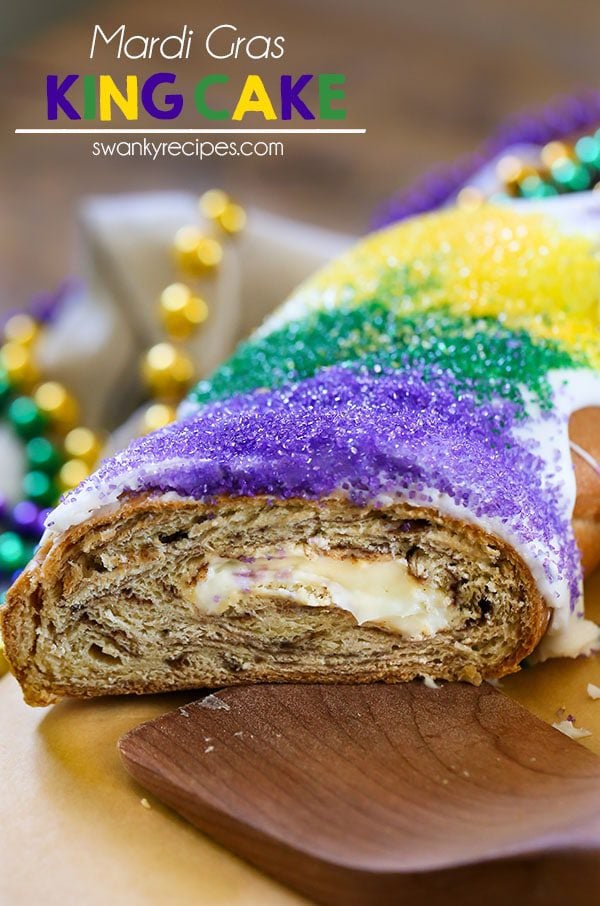
Traditionally served from the Feast of Epiphany (January 6th) to Fat Tuesday (the day before Ash Wednesday), king cake is a sweet oval-shaped pastry adorned with colorful icing or sugar in the traditional Mardi Gras colors of purple (representing justice), green (faith), and gold (power).
One of the most exciting aspects of king cake is the hidden surprise inside – a small figurine or bean that represents good luck or prosperity. The person who discovers this trinket in their slice is said to have good fortune and is tasked with providing the king cake for the next gathering.
King cake recipes vary from region to region and baker to baker, but they typically consist of a rich, brioche-like dough filled with cinnamon, sugar, and sometimes cream cheese or fruit fillings. Each bite offers a delightful combination of flavors and textures that make it a favorite among both young and old.
Sharing a king cake has become a cherished tradition that brings people together in joyous celebration. Whether enjoyed at home with family or shared at festive gatherings, this delectable treat symbolizes unity and festivity during the carnival season.
So next time you indulge in a slice of king cake, remember the rich history and tradition behind this sweet confection – it’s not just dessert; it’s a taste of culture, community, and camaraderie.
Everything You Need to Know About King Cake: Origins, Traditions, and Where to Buy
- What is a king cake?
- Why is it called a king cake?
- When is king cake traditionally eaten?
- What is the significance of the colors on a king cake?
- What is the tradition of hiding a figurine in a king cake?
- What are common fillings used in king cakes?
- How did the tradition of king cake originate?
- Where can I buy authentic king cakes?
What is a king cake?
A king cake is a traditional pastry that holds a special place in the hearts of many during the festive season of Mardi Gras. This iconic dessert, often enjoyed from Epiphany to Fat Tuesday, is a sweet oval-shaped treat adorned with vibrant icing or sugar in purple, green, and gold – the colors of Mardi Gras. What sets king cake apart is the hidden surprise tucked inside, typically a small figurine or bean symbolizing luck or prosperity. Discovering this token in your slice not only brings good fortune but also carries the responsibility of providing the next king cake. With its rich history and delicious flavors, king cake embodies the spirit of celebration and togetherness that defines this joyous time of year.
Why is it called a king cake?
The name “king cake” originates from the Christian tradition of celebrating Epiphany, also known as Three Kings’ Day. This holiday commemorates the visit of the Three Wise Men or Magi to the infant Jesus. In many cultures, a cake was baked to honor this event, with a hidden figurine inside representing one of the Magi. Over time, this practice evolved into the modern king cake we know today, where the hidden trinket symbolizes luck and prosperity. The title “king cake” pays homage to the biblical story of the Three Kings and their gifts to baby Jesus, blending religious significance with festive culinary traditions.
When is king cake traditionally eaten?
King cake is traditionally eaten during the festive season of Mardi Gras, which begins on the Feast of Epiphany (January 6th) and culminates on Fat Tuesday, the day before Ash Wednesday. This sweet pastry is a symbolic treat enjoyed in the weeks leading up to Lent, with its vibrant colors and hidden surprises adding an element of excitement to gatherings and celebrations. The tradition of sharing king cake fosters a sense of community and joy as friends and family come together to savor this delicious confection during the carnival season.
What is the significance of the colors on a king cake?
The colors on a king cake hold significant meaning in the tradition and symbolism of this beloved pastry. The purple, green, and gold hues adorning the cake represent justice, faith, and power respectively. These colors are deeply rooted in the history of Mardi Gras and tie back to the official colors chosen by the Rex organization in New Orleans in 1872. Purple signifies justice, reminding us of the importance of fairness and righteousness. Green symbolizes faith, emphasizing trust and belief in oneself and others. Gold represents power, highlighting strength, endurance, and triumph. Together, these colors not only add vibrancy to the king cake but also carry profound meanings that enrich the festive spirit of Mardi Gras celebrations.
What is the tradition of hiding a figurine in a king cake?
The tradition of hiding a figurine in a king cake dates back to European customs and Christian beliefs. The small trinket, often in the shape of a baby or other symbolic figure, represents luck, prosperity, or sometimes the baby Jesus. When the king cake is sliced and served, finding the hidden figurine in your piece is considered a special blessing and an indication of good fortune. The recipient of the trinket is typically designated as the “king” or “queen” for that gathering and may be tasked with providing the king cake for the next celebration. This charming custom adds an element of excitement and camaraderie to the joyous tradition of sharing king cake during Mardi Gras festivities.
What are common fillings used in king cakes?
Common fillings used in king cakes vary based on regional preferences and personal tastes. Traditional fillings include cinnamon sugar, cream cheese, fruit preserves such as raspberry or apple, and even praline or pecan fillings. Some bakers also get creative with unique variations like chocolate, almond paste, or savory options like brie and bacon. These fillings add layers of flavor and texture to the rich brioche dough, making each bite of king cake a delightful surprise for the taste buds. Whether you prefer classic combinations or adventurous twists, the variety of fillings available ensures there’s a king cake to suit every palate during the festive Mardi Gras season.
How did the tradition of king cake originate?
The tradition of king cake traces its origins back to medieval Europe and the Christian celebration of Epiphany, also known as Three Kings’ Day. The cake symbolizes the journey of the three wise men who followed the star to find the newborn Jesus. In France, where the tradition of king cake is believed to have begun, a bean or figurine was hidden in the cake to represent baby Jesus. Over time, this custom evolved into a festive treat enjoyed during the Mardi Gras season in regions like New Orleans, where it has become a beloved symbol of community and celebration. The sharing of king cake continues to embody themes of luck, prosperity, and unity among friends and family.
Where can I buy authentic king cakes?
When seeking authentic king cakes, look no further than renowned bakeries and specialty shops known for their dedication to traditional recipes and quality ingredients. In regions with strong Mardi Gras traditions like New Orleans or Louisiana, local bakeries often excel in crafting authentic king cakes that capture the essence of this beloved treat. Additionally, online platforms offer a convenient way to order authentic king cakes from reputable sources, ensuring that you can enjoy a taste of this festive delicacy no matter where you are. Remember to seek out establishments with a reputation for excellence in creating these delectable pastries to savor an authentic king cake experience.