


Gluten-Free Desserts: Sweet Ideas for Every Occasion
Gluten-free desserts make it possible for people avoiding gluten to enjoy a delicious finish to a meal—or a little something sweet whenever the mood strikes. With a wide range of ingredients and recipes to choose from, gluten-free baking can be every bit as flavorful, satisfying, and beautiful as traditional baking.
What Makes a Dessert Gluten-Free?
Gluten is a protein found in wheat, barley, and rye. A dessert is gluten-free when its ingredients do not contain these grains or their derivatives. That means checking beyond the obvious flour: cookies, cakes, and pastries may also include ingredients such as malt, certain flavorings, or mix-ins that contain gluten.
Some desserts are naturally gluten-free, including many flourless chocolate cakes, custards, puddings, meringues, and fruit-based treats. Other recipes use alternatives such as almond flour, coconut flour, rice flour, or a gluten-free baking blend.
Popular Gluten-Free Dessert Ideas
- Flourless chocolate cake: Rich, dense, and full of chocolate flavor, this classic is often made without wheat flour.
- Fruit crisps: Fresh or baked fruit topped with a crumble made from certified gluten-free oats and a suitable flour alternative can make a comforting dessert.
- Meringues: Crisp on the outside and light inside, meringues are typically made with egg whites and sugar. They pair beautifully with fruit and whipped cream.
- Cheesecake: A traditional crust usually contains wheat, but a gluten-free crust or crustless recipe can offer a tasty alternative.
- Macarons: These delicate almond-based cookies are often made without wheat flour, though ingredients and preparation methods vary.
- Ice cream and sorbet: Many flavors are gluten-free, but cookies, cakes, and other additions may change that. Check the label or ask about ingredients.
Tips for Gluten-Free Baking
Gluten-free ingredients behave differently from wheat flour, so substitutions are not always one-to-one. A gluten-free flour blend designed for baking can be a convenient starting point. Some recipes also benefit from binders such as xanthan gum, depending on the blend and the texture you want.
Measure ingredients carefully and follow a recipe developed specifically to be gluten-free whenever possible. Allowing baked goods to cool fully can also help them set and improve their texture. Since gluten-free flours vary in flavor and absorbency, a little experimentation may be needed to find the right result.
Preventing Cross-Contact
For people with celiac disease or a significant sensitivity to gluten, avoiding gluten in the recipe may not be enough. Crumbs and residue can transfer through shared pans, utensils, countertops, mixers, or baking surfaces. Use clean equipment and separate ingredients when preparing gluten-free treats.
When buying desserts, review ingredient labels and ask about how the food is made. A product described as gluten-free is not necessarily prepared in a dedicated gluten-free kitchen. If strict avoidance is important, look for clear information about ingredients and cross-contact practices.
A Sweet Treat for Everyone
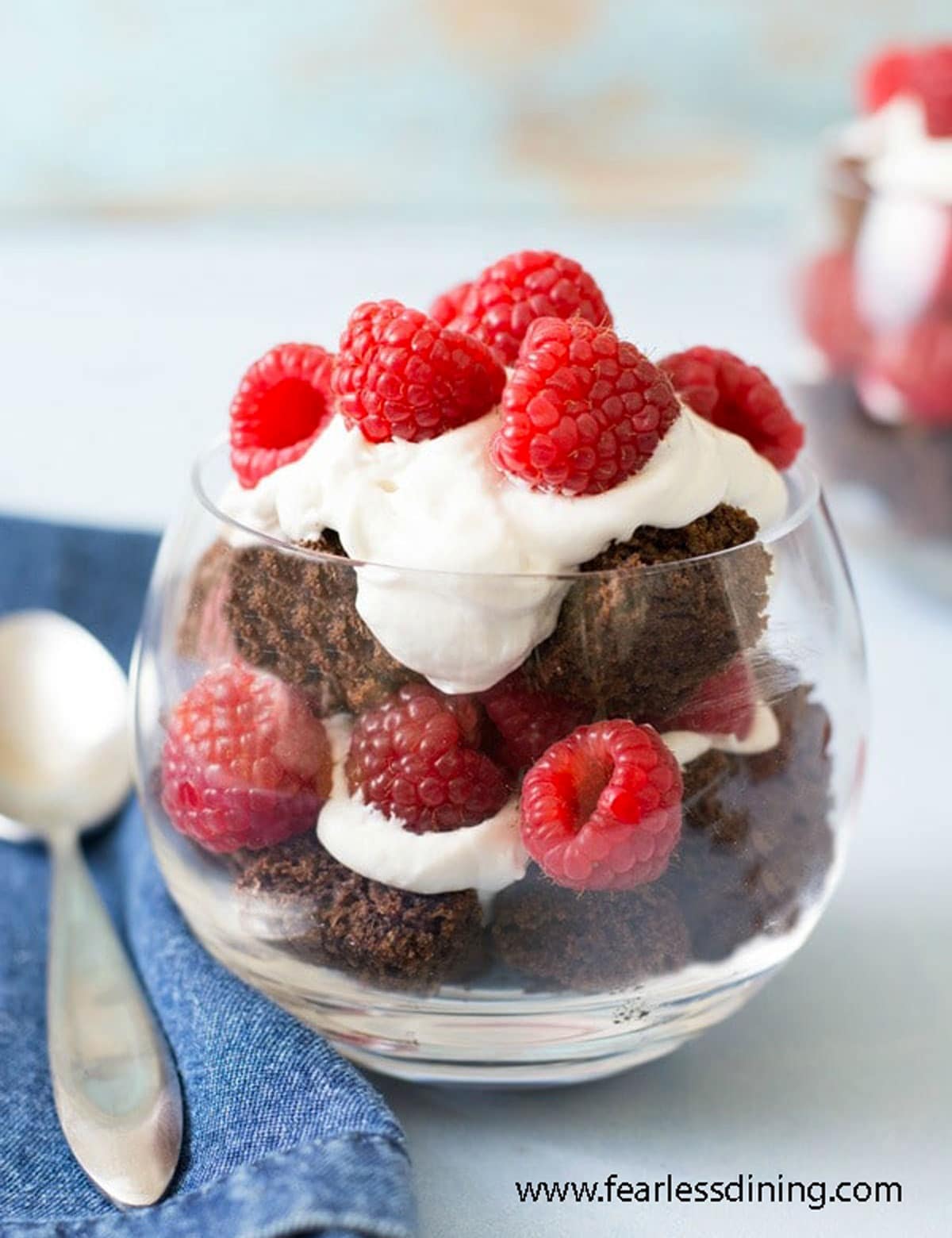
Gluten-free desserts can be simple or elaborate, from fresh berries with cream to a layered celebration cake. Choosing reliable recipes, checking ingredients, and taking care during preparation can help make dessert enjoyable for more people at the table. With so many options available, there’s no shortage of ways to make a gluten-free occasion delicious.
Gluten-Free Desserts: 6 FAQs About Ingredients, Baking, and Safety
- What desserts are naturally gluten-free?
- What flours can I use to make gluten-free desserts?
- How can I make sure a dessert is safe for someone with celiac disease?
- Are gluten-free desserts healthier than regular desserts?
- Can I substitute gluten-free flour for regular flour in any dessert recipe?
- How do I prevent cross-contamination when preparing gluten-free desserts?
What desserts are naturally gluten-free?
Many desserts are naturally gluten-free, including fruit salad, meringues, crème brûlée, pudding made with gluten-free ingredients, flourless chocolate cake, and many ice creams and sorbets. Recipes and packaged products can vary, so check ingredient labels for gluten-containing additives and be mindful of cross-contact during preparation, especially for people with celiac disease or a gluten sensitivity.
What flours can I use to make gluten-free desserts?
You can make gluten-free desserts with almond, coconut, rice, oat, sorghum, or buckwheat flour, as well as gluten-free baking blends that combine several flours and starches. Each behaves differently: almond flour adds moisture and richness, while coconut flour absorbs a lot of liquid, so they usually aren’t interchangeable cup for cup. For the best texture, follow a recipe developed for the specific flour or blend you’re using, and choose oats and oat flour labeled gluten-free if needed to avoid cross-contact.
How can I make sure a dessert is safe for someone with celiac disease?
To make sure a dessert is safe for someone with celiac disease, check every ingredient label for gluten-containing grains and look for products labeled gluten-free. Prevent cross-contact by washing hands and using clean, dedicated or thoroughly cleaned utensils, pans, and work surfaces; avoid shared equipment or bulk bins that may have touched gluten. If ordering from a bakery or restaurant, ask about both ingredients and preparation practices, including shared surfaces and tools. When you’re unsure, choose a dessert made in a dedicated gluten-free space or confirm with the person what they feel comfortable eating.
Are gluten-free desserts healthier than regular desserts?
Gluten-free desserts aren’t automatically healthier than regular desserts. They may be essential for people with celiac disease or gluten sensitivity, but they can still contain plenty of sugar, fat, and calories. Some gluten-free alternatives may also have less fiber or more added ingredients than their wheat-based counterparts. For a more nutritious treat, compare ingredient labels and consider desserts made with fruit, nuts, or other whole-food ingredients.
Can I substitute gluten-free flour for regular flour in any dessert recipe?
Not always. Gluten-free flour blends vary, and regular flour provides structure that can be difficult to replace with a simple one-to-one swap. For best results, use a blend labeled as a 1:1 substitute and choose a recipe designed for gluten-free baking; some recipes may also need extra moisture or a binder such as xanthan gum. For people with celiac disease or gluten sensitivity, check that every ingredient is gluten-free and avoid cross-contact with wheat flour and shared equipment.
How do I prevent cross-contamination when preparing gluten-free desserts?
To prevent cross-contamination when making gluten-free desserts, start with clean hands, countertops, utensils, mixing bowls, and baking pans, and keep gluten-free ingredients separate from wheat, barley, and rye products. Use dedicated or thoroughly cleaned equipment—especially mixers, sifters, wooden utensils, and anything with hard-to-clean crevices—and avoid shared surfaces or containers that may hold crumbs. Check ingredient labels, including those on toppings and decorations, and use fresh parchment paper or liners when helpful. For someone with celiac disease or a serious gluten sensitivity, careful preparation and clear communication about ingredients and kitchen practices are especially important.