


German Chocolate Cake: A Classic American Dessert
German chocolate cake is a rich, layered dessert best known for its tender chocolate cake and sweet, coconut-pecan frosting. Despite its name, the cake did not originate in Germany. It is an American creation with a history tied to a type of baking chocolate—and a recipe that became a nationwide favorite.
Why Is It Called German Chocolate Cake?
The name comes from Samuel German, an American chocolate maker who developed a sweet baking chocolate for the Baker’s Chocolate Company in 1852. The product was called “German’s Sweet Chocolate” in his honor. It was not named after the country of Germany.
In 1957, a recipe for “German’s Chocolate Cake” appeared in a Dallas newspaper. The recipe used German’s Sweet Chocolate and featured the cake’s now-famous coconut-pecan topping. It quickly gained popularity, and the possessive form of the name was eventually dropped from common usage.
What Makes German Chocolate Cake Special?
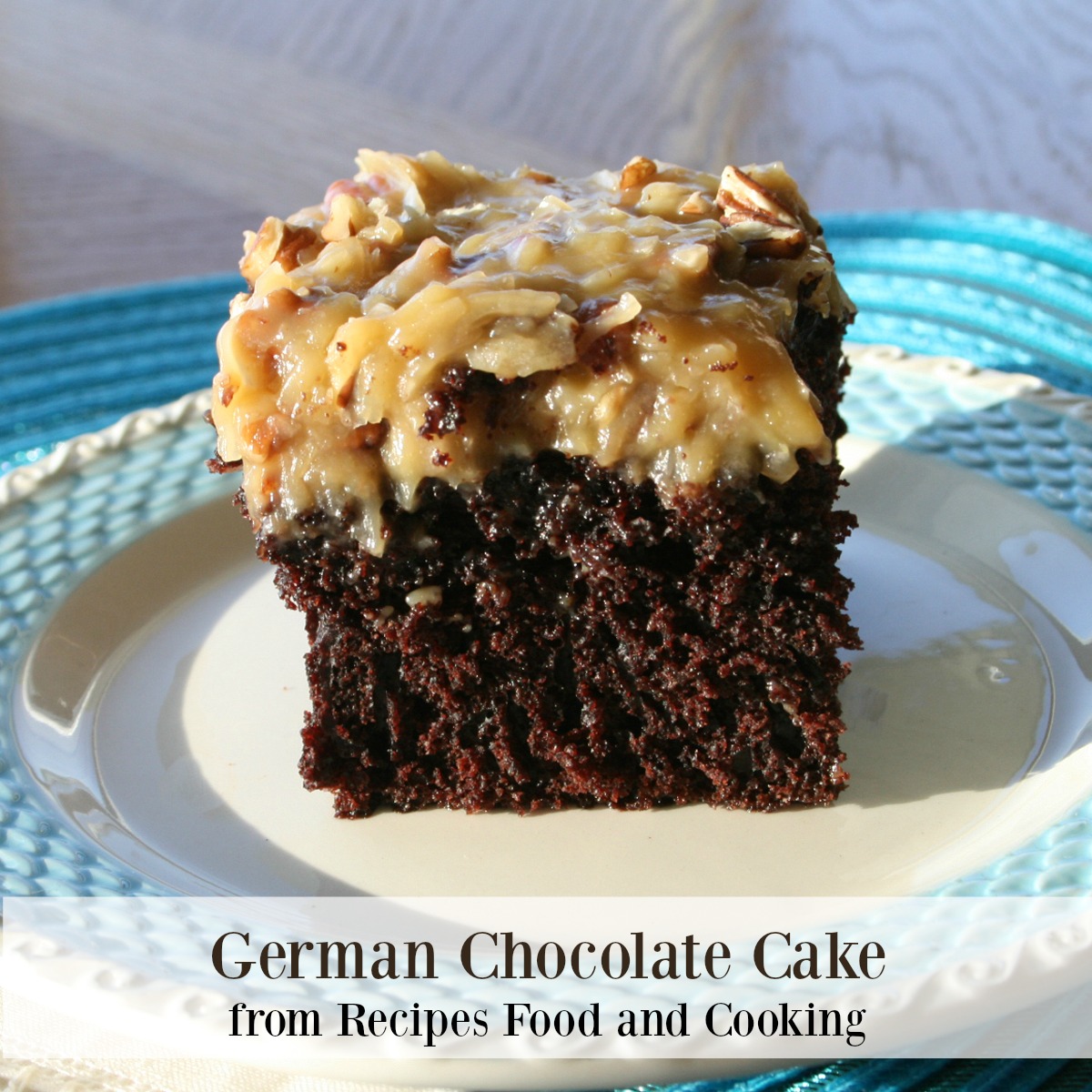
Unlike many chocolate cakes covered in buttercream, German chocolate cake is traditionally topped and filled with a gooey, caramel-like frosting made with evaporated milk, egg yolks, sugar, and butter. Shredded coconut and chopped pecans give the frosting its distinctive texture and flavor.
The cake itself is usually light and moist, with a gentle chocolate flavor. German’s Sweet Chocolate has a milder, sweeter taste than many dark chocolates, which helps balance the rich frosting. Some modern recipes use semisweet chocolate or cocoa powder instead, creating a deeper chocolate flavor while keeping the classic topping.
The Key Ingredients
- Chocolate: German’s Sweet Chocolate is traditional, though other baking chocolates can be used.
- Buttermilk: Adds moisture and a slight tang to the cake.
- Coconut: Provides sweetness and chewy texture in the frosting.
- Pecans: Add a buttery crunch that complements the coconut.
- Egg yolks and evaporated milk: Help the frosting thicken into a smooth, spoonable filling.
Tips for Making German Chocolate Cake
For the best results, let the cake layers cool completely before assembling them. Warm layers can soften the frosting and make the cake difficult to stack. Cook the coconut-pecan frosting over medium heat, stirring constantly, until it thickens; avoid rushing the process with high heat, which can cause the eggs to scramble or the mixture to scorch.
Traditional German chocolate cake often has three layers, with frosting between them and on top. The sides are usually left unfrosted, allowing the dark cake layers and golden filling to show. For neat slices, chill the assembled cake briefly and use a sharp knife wiped clean between cuts.
How to Serve and Store It
German chocolate cake is a natural choice for birthdays, holidays, and special gatherings. Its sweetness pairs well with black coffee, unsweetened tea, or a glass of milk. Because the frosting is rich, modest slices are often satisfying.
Store the cake covered in the refrigerator, especially if it will be kept for more than a day. Let slices sit at room temperature for a short time before serving so the cake and frosting soften. The layers can also be baked ahead and frozen, then thawed and assembled when needed.
A Beloved Cake with a Memorable Name
German chocolate cake’s appeal comes from the contrast between soft chocolate cake and its sweet, nutty, coconut-rich frosting. Its name reflects the history of an ingredient rather than a European origin, while its enduring popularity makes it a distinctly American classic.
Everything You Need to Know About German Chocolate Cake: Top 8 FAQs Answered
- Why is it called German chocolate cake?
- What is German chocolate cake frosting made of?
- What kind of chocolate is used in German chocolate cake?
- What is the difference between German chocolate cake and regular chocolate cake?
- Does German chocolate cake need to be refrigerated?
- How do you keep German chocolate cake moist?
- Can you make German chocolate cake without coconut or pecans?
- How long does German chocolate cake last?
Why is it called German chocolate cake?
German chocolate cake is named after Samuel German, an American chocolate maker who developed a sweet baking chocolate for the Baker’s Chocolate Company in 1852. The chocolate was called “German’s Sweet Chocolate” in his honor—not because it came from Germany. In 1957, a Texas newspaper published a recipe for “German’s Chocolate Cake” using the chocolate and a coconut-pecan frosting. The recipe became popular across the country, and over time, the possessive form was dropped from the name.
What is German chocolate cake frosting made of?
German chocolate cake frosting is traditionally made with evaporated milk, egg yolks, sugar, and butter, cooked until thick and creamy. Shredded coconut and chopped pecans are stirred in at the end, giving the frosting its signature chewy texture and rich, nutty flavor. It’s typically used as both the filling between cake layers and the topping.
What kind of chocolate is used in German chocolate cake?
Traditional German chocolate cake is made with German’s Sweet Chocolate, a mild, sweet baking chocolate developed by American chocolate maker Samuel German. It gives the cake a gentler chocolate flavor than semisweet or dark chocolate. If German’s Sweet Chocolate isn’t available, semisweet baking chocolate can be used, though the cake may taste richer and less sweet.
What is the difference between German chocolate cake and regular chocolate cake?
German chocolate cake is a specific type of chocolate cake, traditionally made with mild, sweet German’s Sweet Chocolate and layered with a rich coconut-pecan frosting. Regular chocolate cake can be made with many kinds of chocolate or cocoa and usually has a more straightforward chocolate flavor, often paired with buttercream, ganache, or another frosting. The signature coconut-pecan filling and topping are what most clearly set German chocolate cake apart.
Does German chocolate cake need to be refrigerated?
Yes. German chocolate cake is best stored covered in the refrigerator because its traditional coconut-pecan frosting is made with ingredients such as eggs and evaporated milk. It can sit at room temperature while serving, but refrigerate leftovers within two hours—or within one hour if the temperature is above 90°F. For the best texture and flavor, let slices stand at room temperature briefly before serving.
How do you keep German chocolate cake moist?
To keep German chocolate cake moist, avoid overbaking it: start checking the layers a few minutes before the recipe’s suggested time, and remove them when a toothpick comes out with a few moist crumbs. Measure flour carefully, use room-temperature ingredients, and follow the recipe’s recommended fats and liquids, such as butter, oil, or buttermilk. Let the layers cool completely, then cover them promptly or wrap them well to prevent them from drying out. The coconut-pecan frosting also adds moisture, so spread it between the layers and store the finished cake covered in the refrigerator; bring slices to room temperature before serving for the softest texture.
Can you make German chocolate cake without coconut or pecans?
Yes, you can make German chocolate cake without coconut or pecans. For a similar rich topping, try a smooth chocolate frosting, caramel frosting, or a simple chocolate ganache. If you only need to leave out one ingredient, replace the pecans with another nut or leave them out, and substitute the coconut with extra frosting or finely chopped toasted nuts. The flavor and texture will differ from the traditional cake, but it can still be delicious.
How long does German chocolate cake last?
German chocolate cake will generally last 3 to 4 days when covered and stored in the refrigerator, since its coconut-pecan frosting contains perishable ingredients. For the best texture and flavor, let each slice sit at room temperature briefly before serving. You can also freeze the cake, tightly wrapped, for about 2 to 3 months; thaw it in the refrigerator before enjoying.