


Chocolate Chips: Small Pieces, Big Flavor
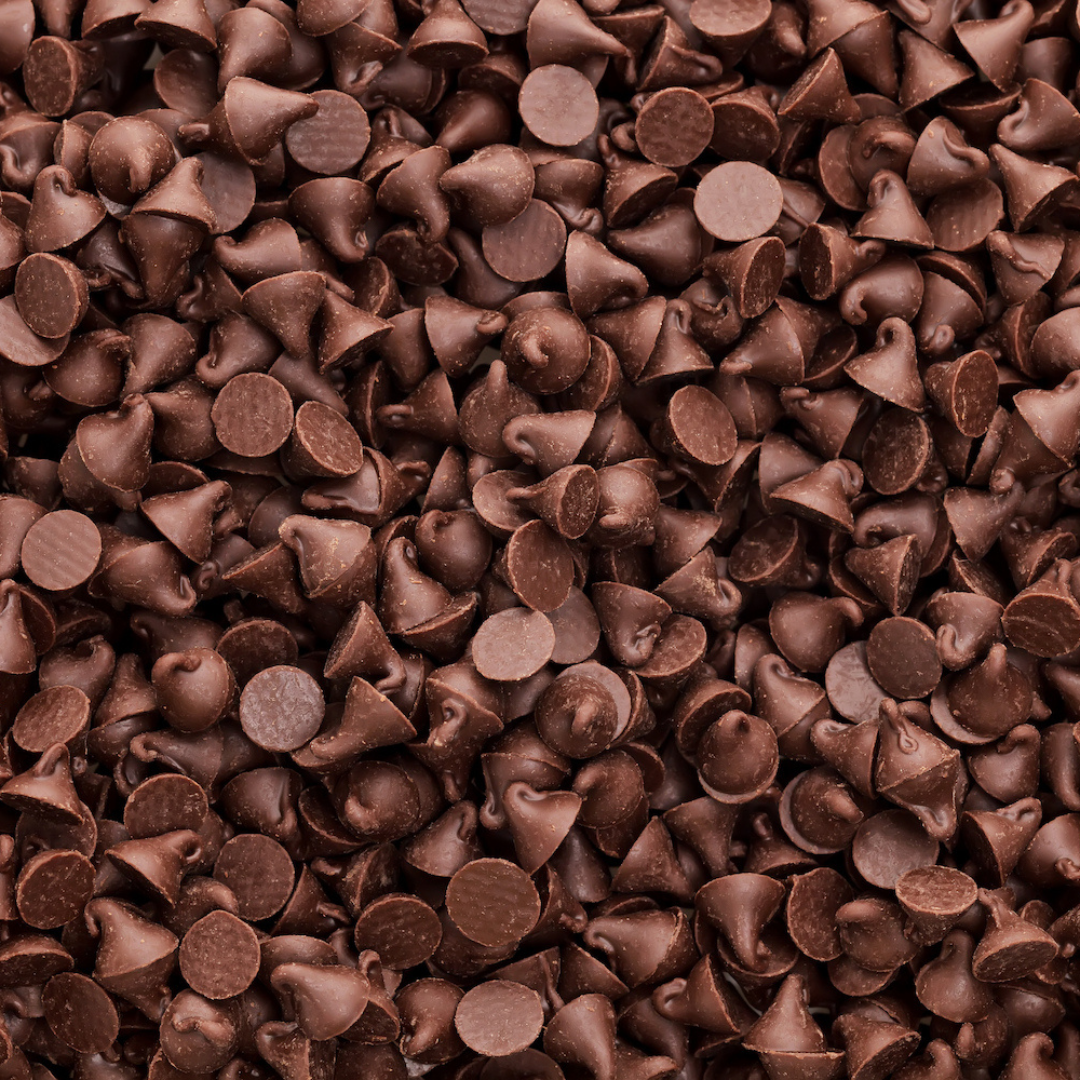
Chocolate chips are a familiar favorite in kitchens across the United States. These small pieces of chocolate are best known for starring in cookies, but they’re also an easy way to add sweetness and a little chocolatey richness to all kinds of treats. Sprinkle them over oatmeal, fold them into pancake batter, or enjoy a few straight from the bag.
A Brief History of Chocolate Chips
Chocolate chips became widely popular in the 1930s, when they were used in chocolate chip cookies. The bite-size shape made them easy to mix into dough, where they held their form as the cookies baked. The combination caught on—and chocolate chip cookies soon became a beloved American classic.
Types of Chocolate Chips
Chocolate chips come in a variety of flavors and styles, making it easy to find the right kind for a recipe or snack:
- Semisweet: A classic choice for cookies and baking, with a balanced chocolate flavor.
- Milk chocolate: Sweeter and creamier, these chips work well in desserts and snack mixes.
- Dark chocolate: Richer and often less sweet, dark chocolate chips add bold flavor to baked goods.
- White chocolate: Made without cocoa solids, these chips bring a sweet, creamy taste and pale color.
- Mini chips: Smaller pieces distribute evenly through batters and are great for toppings.
- Specialty chips: Some varieties include flavors such as peanut butter, mint, or caramel.
How Chocolate Chips Work in Baking
Chocolate chips are designed to keep their shape better than chopped chocolate when heated. Many contain ingredients that help them hold together during baking, so they stay visible in cookies, muffins, and other treats. If a recipe calls for melted chocolate, however, baking chips may not produce the same smooth texture as a chocolate bar made for melting.
For evenly distributed chocolate, fold the chips into the batter or dough near the end of mixing. To make cookies look extra inviting, press a few additional chips onto the tops just before baking.
Easy Ways to Enjoy Chocolate Chips
Chocolate chips are useful beyond the cookie sheet. Try adding them to:
- Pancakes, waffles, or muffins
- Trail mix with nuts and dried fruit
- Yogurt, oatmeal, or smoothie bowls
- Homemade granola bars
- Brownies, quick breads, and dessert bars
- Fruit for a simple chocolate-dipped snack
Choosing and Storing Chocolate Chips
When choosing chocolate chips, consider how sweet and intense you want the finished treat to be. Semisweet chips are a versatile pantry staple, while dark or milk chocolate chips can help tailor a recipe to your taste. Check the package label if you have dietary needs or preferences, since ingredients and allergen information vary by brand.
Store chocolate chips in a cool, dry place, sealed in their original bag or an airtight container. Keep them away from heat and strong odors. Properly stored, they’re ready whenever a baking idea—or a chocolate craving—strikes.
A Kitchen Favorite for Every Occasion
From classic cookies to creative snacks, chocolate chips make it simple to add a little sweetness to everyday recipes. Their convenience, variety, and familiar flavor have earned them a lasting place in home kitchens. Whether baked into a favorite dessert or sprinkled over a quick snack, a handful of chocolate chips can make an ordinary moment feel like a treat.
7 Essential Tips for Perfect Chocolate Chip Use in Baking
- Store chocolate chips in a cool, dry place.
- Use a kitchen scale for accurate baking.
- Toss chips in a little flour to help prevent sinking.
- Add chips after the dough is mixed.
- Choose semisweet chips for classic cookies.
- Melt chips gently to avoid scorching.
- Refrigerate baked goods with melted chocolate.
Store chocolate chips in a cool, dry place.
Store chocolate chips in a cool, dry place to help preserve their flavor and texture. Keep them sealed in their original package or an airtight container, away from heat, moisture, and strong odors. Proper storage helps prevent the chips from melting, becoming stale, or picking up unwanted flavors.
Use a kitchen scale for accurate baking.
Use a kitchen scale to measure chocolate chips accurately, especially when a recipe lists ingredients by weight. Measuring by volume can be inconsistent because chip size and how they settle in a measuring cup can vary. Weighing them helps you add the right amount every time, making your baked goods more reliable and delicious.
Toss chips in a little flour to help prevent sinking.
Tossing chocolate chips with a small amount of flour before adding them to batter can help keep them evenly distributed instead of sinking to the bottom. Use a little flour from the recipe so the proportions stay the same, and coat the chips lightly—too much can leave dry patches in your baked treat. Fold them in gently at the end for a more even mix.
Add chips after the dough is mixed.
Add chocolate chips after the dough is fully mixed to help distribute them evenly without overworking the dough. Gently fold in the chips with a spatula until they’re spread throughout, then bake according to your recipe.
Choose semisweet chips for classic cookies.
Choose semisweet chocolate chips for classic chocolate chip cookies. Their balanced sweetness and rich chocolate flavor pair perfectly with buttery cookie dough, creating the familiar taste many people love.
Melt chips gently to avoid scorching.
Melt chocolate chips gently to keep them smooth and prevent scorching. Heat them in short intervals in the microwave, stirring well between each, or use a heatproof bowl over gently simmering water. Remove the chocolate while a few small lumps remain and stir until they melt completely.
Refrigerate baked goods with melted chocolate.
If your baked goods are topped or drizzled with melted chocolate, refrigerate them briefly to help the chocolate set and prevent smudging. Let the treats cool completely first, then place them in a covered container to protect them from odors and drying out. Once the chocolate is firm, you can serve them or store them as the recipe recommends.