


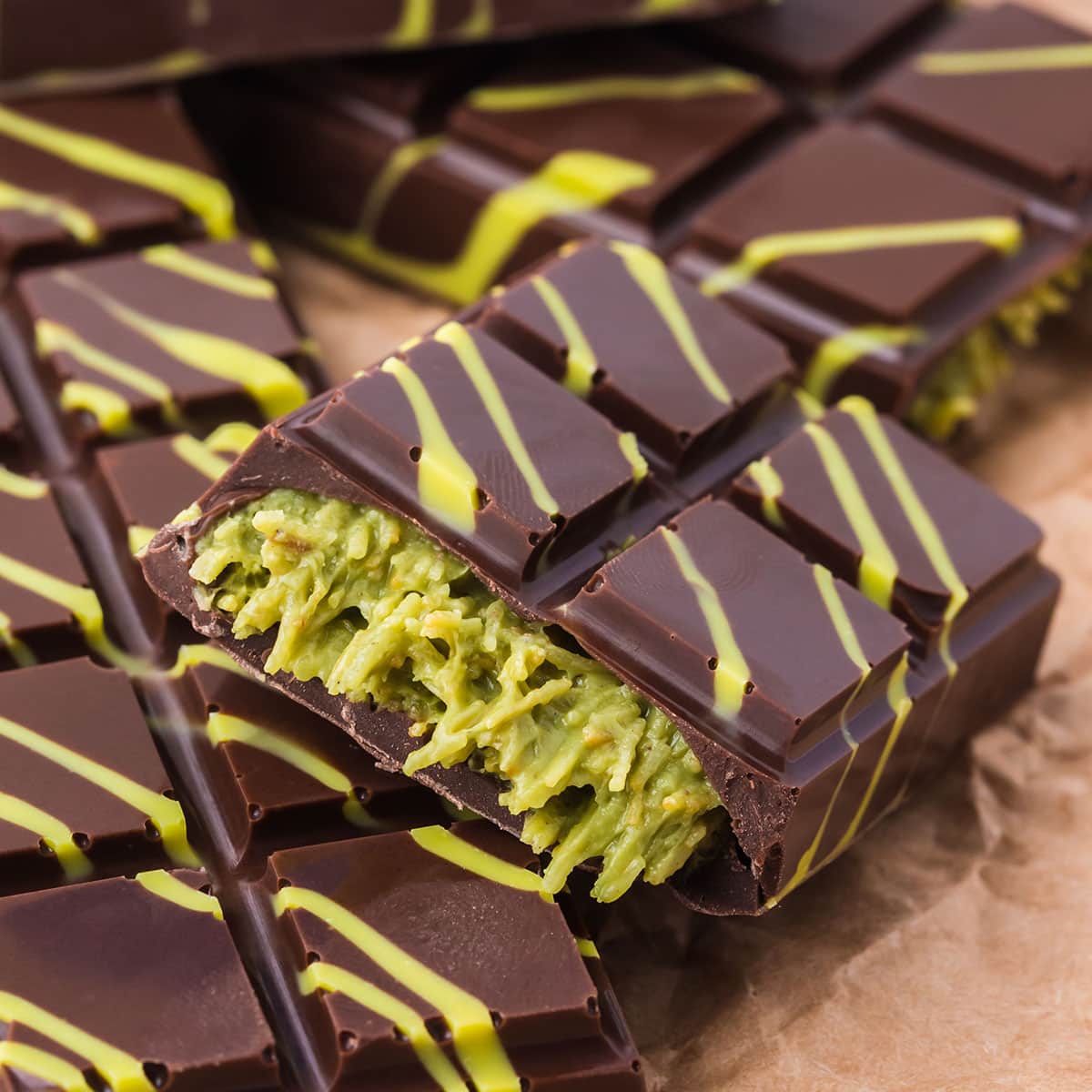

Chocolate Bars: A Guide to a Timeless Treat
Chocolate bars are a simple pleasure with remarkable variety. From creamy milk chocolate to bold dark chocolate and sweet white chocolate, there’s a bar for nearly every taste. They can be enjoyed on their own, shared with friends, paired with a favorite drink, or used to add a little indulgence to everyday recipes.
What Goes Into a Chocolate Bar?
Most chocolate begins with cacao beans, which are fermented, dried, roasted, and processed into cacao ingredients. Chocolate makers combine these ingredients with others—often sugar and, depending on the style, milk—to create different flavors and textures. The proportions and methods used can influence how sweet, rich, smooth, or intense a bar tastes.
Some bars keep things simple, while others include ingredients such as nuts, fruit, caramel, spices, or crunchy pieces. The result is a wide range of options, from classic and familiar to adventurous and unexpected.
Popular Types of Chocolate Bars
Milk Chocolate
Milk chocolate is known for its creamy texture and gentle sweetness. Its approachable flavor makes it a favorite for snacking, gifting, and baking.
Dark Chocolate
Dark chocolate generally has a deeper, more pronounced cacao flavor. Depending on the bar, it may taste fruity, nutty, earthy, or bittersweet. A higher cacao percentage often means a more intense flavor, though the overall taste also depends on the cacao and how the chocolate is made.
White Chocolate
White chocolate is made with cocoa butter rather than the nonfat cacao solids found in milk and dark chocolate. It has a smooth texture and a sweet, buttery flavor that pairs especially well with fruit, nuts, and bold spices.
Filled and Flavored Bars
Filled bars bring together chocolate and ingredients such as caramel, nut butter, or fruit fillings. Flavored bars may include additions like sea salt, coffee, chili, or citrus. These combinations offer new ways to enjoy familiar chocolate.
How to Choose a Chocolate Bar
Start with the flavor and texture you enjoy most. If you prefer a sweeter, creamier bite, try milk chocolate. For a more intense cacao taste, explore dark chocolate. If you like contrast, look for bars that pair chocolate with salty, crunchy, or tangy ingredients.
Reading the ingredient list can also help you find a bar that suits your preferences. Consider the listed cacao percentage as a general guide to intensity, rather than a guarantee of sweetness or quality. When possible, sample a few varieties and notice the aroma, texture, and way the flavor develops as the chocolate melts.
Tips for Tasting Chocolate
For a more mindful tasting, let the chocolate come to room temperature before serving. Break off a small piece and notice its aroma. Allow it to melt slowly on your tongue, paying attention to its texture and changing flavors. A quiet moment can reveal details that might be missed when eating quickly.
Storing Chocolate Bars
Keep chocolate in a cool, dry place away from direct sunlight and strong odors. A tightly sealed wrapper or container can help protect its flavor. Avoid frequent temperature changes, which may affect the surface and appearance of the chocolate. If a bar develops a pale coating, it may be the result of fat or sugar moving to the surface; this can affect its look and texture, but it does not necessarily mean the chocolate is spoiled.
A Small Treat with Plenty of Possibilities
Chocolate bars can be classic, inventive, simple, or richly layered. Enjoy one as an afternoon treat, add chopped pieces to cookies or brownies, or pair it with coffee, tea, or fruit. With so many styles and flavors to discover, finding a new favorite can be part of the fun.
7 Reasons Why Chocolate Bars Are the Perfect Treat
- Convenient and easy to enjoy.
- Available in a variety of flavors.
- A satisfying sweet treat.
- Easy to share with others.
- Great for gifting.
- Delicious on their own or in recipes.
- Come in options for many tastes.
5 Drawbacks of Chocolate Bars: Sugar, Allergens, and More
- Chocolate bars can be high in sugar.
- They may contain allergens like milk, nuts, or soy.
- Heat can make them melt or lose their texture.
- Some bars are high in calories and saturated fat.
- Cocoa farming can raise ethical and environmental concerns.
Convenient and easy to enjoy.
Chocolate bars are convenient and easy to enjoy wherever the day takes you. Their compact, ready-to-eat format makes them simple to pack in a bag, keep at a desk, or bring along for a quick treat. No plates or preparation are needed—just unwrap a piece and enjoy.
Available in a variety of flavors.
One of the best things about chocolate bars is the wide variety of flavors available. Whether you prefer smooth milk chocolate, rich dark chocolate, or creamy white chocolate, there’s a bar to suit your taste. Many varieties also combine chocolate with ingredients like caramel, nuts, fruit, sea salt, or spices, making it easy to discover a new favorite or find a treat for any occasion.
A satisfying sweet treat.
Chocolate bars make a satisfying sweet treat when you want a little moment of indulgence. Their rich flavor and smooth texture can help curb a sweet craving, whether you enjoy a square on its own or pair it with coffee, tea, or fruit. From creamy milk chocolate to bold dark chocolate, there’s a style for nearly every mood.
Easy to share with others.
Chocolate bars are easy to share, making them a convenient treat for friends, family, or coworkers. Break off a few squares to pass around, or choose a bar with individually wrapped pieces for an easy grab-and-go snack. Whether you’re enjoying a movie night, celebrating a special occasion, or simply taking a quick break together, sharing a chocolate bar is a simple way to make the moment a little sweeter.
Great for gifting.
Chocolate bars make great gifts because they’re easy to share, come in a wide range of flavors, and suit many occasions. A beautifully wrapped bar can be a thoughtful thank-you, a sweet birthday surprise, or a small treat just because. Choose a favorite flavor or put together a selection of different bars to make the gift feel extra special.
Delicious on their own or in recipes.
Chocolate bars are delicious whether enjoyed straight from the wrapper or used to add a rich, sweet touch to recipes. Break off a few squares for a quick treat, or chop them into cookies, brownies, cakes, and other desserts. Their versatility makes it easy to enjoy chocolate just as it is or bring extra flavor and texture to homemade favorites.
Come in options for many tastes.
Chocolate bars come in options for many tastes, making it easy to find one for almost any craving. Choose creamy milk chocolate, rich dark chocolate, or smooth white chocolate, then explore bars with nuts, caramel, fruit, sea salt, or other flavorful additions. With so many combinations, there’s a chocolate bar to enjoy whether you prefer something sweet and simple or bold and adventurous.
Chocolate bars can be high in sugar.
One drawback of chocolate bars is that many varieties contain a lot of added sugar, especially milk chocolate and bars with fillings or extra toppings. Eating them frequently or in large portions can make it easy to consume more sugar than intended. Checking the nutrition label, choosing smaller portions, or selecting bars with less added sugar can help you enjoy chocolate more mindfully.
They may contain allergens like milk, nuts, or soy.
Chocolate bars may contain common allergens such as milk, nuts, or soy, either as ingredients or because of cross-contact during manufacturing. Check the ingredient list and allergen statement carefully, especially when buying for someone with a food allergy. Packaging and recipes can change, so review the label each time.
Heat can make them melt or lose their texture.
One drawback of chocolate bars is that they’re sensitive to heat. In warm weather or when left in a hot car, they can melt, become messy, or lose their smooth, firm texture. Even after they cool and solidify again, the chocolate may look or feel different, making it less enjoyable to eat.
Some bars are high in calories and saturated fat.
Some chocolate bars are high in calories and saturated fat, especially varieties with rich fillings or added ingredients. Enjoying them frequently or in large portions can make it easier to consume more than intended, so checking the nutrition label and choosing a portion that fits your needs can help you enjoy chocolate as part of a balanced diet.
Cocoa farming can raise ethical and environmental concerns.
Cocoa farming can raise ethical and environmental concerns, including poor working conditions, low incomes for farmers, and the risk of child labor in some growing regions. Expanding cocoa farms can also contribute to deforestation, habitat loss, and declining soil health. Choosing chocolate from companies that provide transparent sourcing information and support credible sustainability and labor standards can help consumers make more informed choices.