


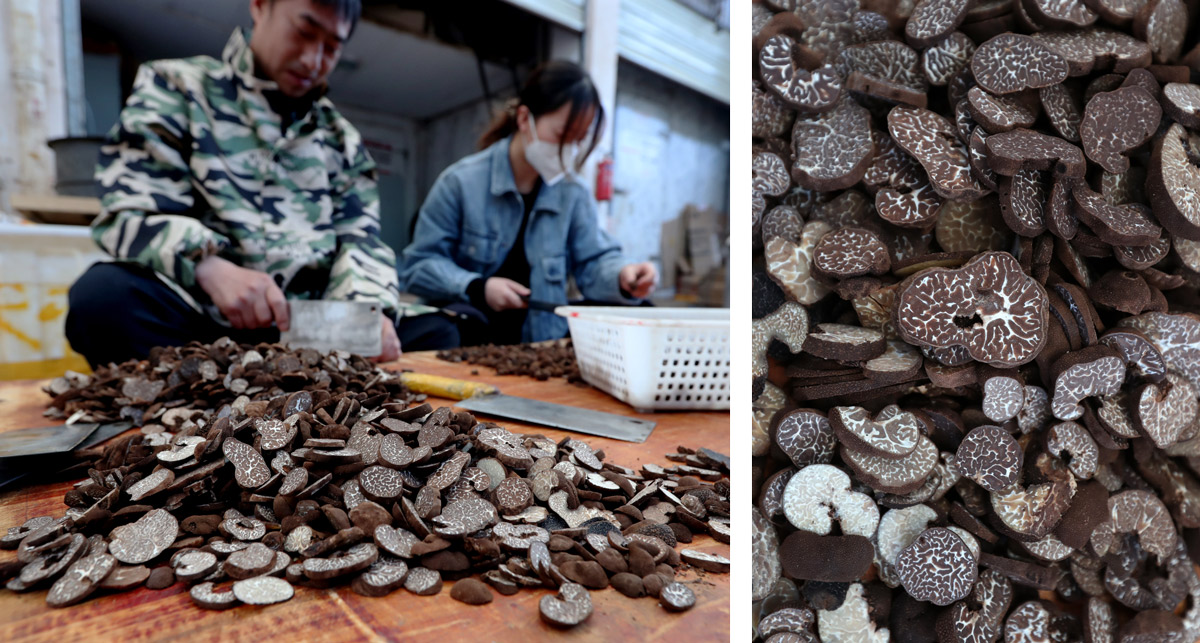

The Delightful Chinese Truffle: A Culinary Treasure
Truffles are known worldwide for their exquisite flavor and unique aroma, but have you ever tried the Chinese truffle? This culinary gem is a hidden treasure waiting to be discovered by food enthusiasts.
Chinese truffles, also known as Tuber indicum or Himalayan truffles, are highly prized for their earthy and nutty taste. They grow in the mountainous regions of China and are often found in association with pine trees. Unlike their European counterparts, Chinese truffles have a milder flavor profile but are equally sought after for their culinary applications.
These exotic fungi are used in traditional Chinese cuisine to add depth and complexity to dishes. Whether shaved over pasta, infused into oils, or incorporated into sauces, Chinese truffles elevate the dining experience with their rich umami notes.
Not only do Chinese truffles tantalize the taste buds, but they also offer potential health benefits. They are believed to possess antioxidant properties and may help boost immunity and improve overall well-being when consumed as part of a balanced diet.
Foraging for Chinese truffles is an age-old practice that requires skill and patience. Harvested during the autumn months, these prized fungi are carefully gathered by experienced hunters who navigate the rugged terrain in search of nature’s bounty.
Whether you’re a seasoned epicurean or an adventurous food lover looking to expand your palate, the Chinese truffle is a culinary delight worth exploring. Its subtle yet distinctive flavor profile adds a touch of luxury to any dish, making it a true gastronomic indulgence.
Experience the allure of the Chinese truffle and embark on a culinary journey like no other. Discover its nuances, savor its essence, and immerse yourself in the world of gourmet delights with this rare delicacy from the heart of China.
Exploring Chinese Truffles: Answers to 9 Common Questions
- What is a Chinese truffle?
- Where do Chinese truffles grow?
- How does a Chinese truffle differ from other truffle varieties?
- What is the flavor profile of Chinese truffles?
- Are Chinese truffles used in traditional Chinese cuisine?
- What are the health benefits associated with consuming Chinese truffles?
- When is the best time to harvest Chinese truffles?
- How are Chinese truffles foraged and collected?
- How can I incorporate Chinese truffles into my cooking?
What is a Chinese truffle?
A Chinese truffle, also known as Tuber indicum or Himalayan truffle, is a type of fungi highly prized for its earthy and nutty flavor. Unlike its European counterparts, the Chinese truffle offers a milder taste profile but is equally valued for its culinary versatility. These exotic fungi grow in the mountainous regions of China, often in association with pine trees, and are harvested during the autumn months. Used in traditional Chinese cuisine to enhance dishes with their rich umami notes, Chinese truffles are a sought-after ingredient that adds depth and complexity to various culinary creations.
Where do Chinese truffles grow?
Chinese truffles, scientifically known as Tuber indicum or Himalayan truffles, typically grow in the mountainous regions of China. These prized fungi are often found in association with pine trees, thriving in the cool and moist environments provided by the forested areas. The unique symbiotic relationship between the truffles and the roots of certain tree species contributes to their growth and development. Foragers and hunters venture into the rugged terrain of China’s mountains during the autumn months to search for these elusive treasures, carefully harvesting them to preserve their delicate flavors and aromas.
How does a Chinese truffle differ from other truffle varieties?
When comparing Chinese truffles to other truffle varieties, one notable difference lies in their flavor profile. Chinese truffles offer a milder taste compared to their European counterparts, with earthy and nutty notes that are distinct yet subtle. While European truffles like the prized black and white truffles boast a more intense and complex flavor, Chinese truffles bring a unique nuance to dishes with their delicate umami essence. Additionally, Chinese truffles are typically found in mountainous regions of China, often growing in association with pine trees, adding a touch of terroir to their culinary charm. Despite these differences, all truffle varieties share a common allure as coveted ingredients that elevate gastronomic experiences with their rich aroma and gourmet appeal.
What is the flavor profile of Chinese truffles?
The flavor profile of Chinese truffles is characterized by its earthy and nutty notes, offering a milder taste compared to their European counterparts. These exotic fungi boast a subtle yet distinctive flavor that is prized for its delicate umami richness. When incorporated into dishes, Chinese truffles add depth and complexity, enhancing the overall culinary experience with their unique aroma and nuanced taste. Whether shaved over pasta, infused into oils, or used in sauces, Chinese truffles bring a touch of luxury to any recipe, making them a sought-after ingredient among food enthusiasts seeking to elevate their dining adventures.
Are Chinese truffles used in traditional Chinese cuisine?
Chinese truffles, also known as Tuber indicum or Himalayan truffles, are indeed utilized in traditional Chinese cuisine. These prized fungi are valued for their earthy and nutty flavor, which adds depth and complexity to a variety of dishes. In Chinese culinary traditions, Chinese truffles are often shaved over pasta, infused into oils, or incorporated into sauces to enhance the overall taste experience. Their subtle yet distinctive taste profile makes them a sought-after ingredient that elevates the authenticity and richness of many traditional Chinese recipes.
What are the health benefits associated with consuming Chinese truffles?
Consuming Chinese truffles is not only a culinary delight but also offers potential health benefits. These exotic fungi are believed to possess antioxidant properties, which can help combat oxidative stress in the body and support overall health. Additionally, Chinese truffles may aid in boosting immunity due to their nutrient-rich composition. Incorporating Chinese truffles into your diet as part of a balanced and varied eating plan can be a flavorful way to enjoy their unique taste while potentially reaping the health rewards they have to offer.
When is the best time to harvest Chinese truffles?
The best time to harvest Chinese truffles is during the autumn months, typically from September to November. This period aligns with the peak season for these prized fungi when they are at their peak flavor and aroma. Experienced foragers venture into the mountainous regions of China during this time, carefully scouring the terrain in search of these elusive treasures. Harvesting Chinese truffles at the right moment ensures optimal quality and freshness, allowing their unique earthy and nutty characteristics to shine through in culinary creations.
How are Chinese truffles foraged and collected?
Chinese truffles are foraged and collected through a meticulous process that requires expertise and patience. Harvested during the autumn months in the mountainous regions of China, these prized fungi are typically found in association with pine trees. Experienced hunters navigate the rugged terrain, armed with knowledge of the truffle’s habitat and the skills needed to locate them. Using specially trained dogs or pigs to sniff out the elusive scent of the truffles underground, foragers carefully unearth these culinary treasures by hand, ensuring minimal damage to both the truffles and their surrounding environment. The art of foraging Chinese truffles is a time-honored tradition that celebrates nature’s bounty and showcases the dedication of those who seek out these earthy delights.
How can I incorporate Chinese truffles into my cooking?
When it comes to incorporating Chinese truffles into your cooking, the possibilities are as diverse as they are delicious. These prized fungi can be used in various ways to enhance the flavor profile of your dishes. One popular method is to shave Chinese truffles thinly over pasta, risotto, or scrambled eggs to impart their earthy aroma and umami richness. You can also infuse oils with Chinese truffles to create a flavorful base for dressings, marinades, or drizzling over grilled vegetables. Additionally, Chinese truffles can be finely chopped and added to sauces, soups, or stir-fries for a subtle yet distinctive taste that elevates the overall dish. Experimenting with different cooking techniques and flavor combinations will allow you to unlock the full potential of Chinese truffles in your culinary creations.