


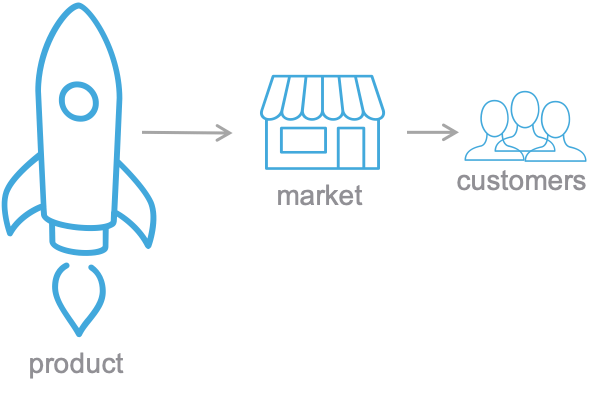

The Evolution of Product Design: From Functionality to User Experience
In the world of design, the concept of a product has evolved significantly over the years. What was once primarily focused on functionality and utility has now shifted towards prioritizing user experience and aesthetics. This shift in focus has transformed the way products are conceived, developed, and ultimately consumed by users.
Historically, product design was centered around creating items that served a specific purpose or solved a particular problem. While functionality remains a crucial aspect of design, modern-day consumers also place a high value on the overall experience that a product offers. This includes factors such as ease of use, visual appeal, and emotional connection.
With advancements in technology and changing consumer preferences, designers are now challenged to create products that not only work well but also engage users on a deeper level. This shift towards user-centered design has led to innovations in areas such as interactive interfaces, intuitive controls, and personalized experiences.
One key aspect of this evolution is the emphasis on user research and feedback throughout the design process. By understanding the needs, preferences, and behaviors of their target audience, designers can create products that resonate with users on a personal level. This human-centric approach has proven to be instrumental in developing successful products that stand out in today’s competitive market.
Furthermore, the rise of digital platforms and interconnected devices has expanded the possibilities for product design. From smart appliances to wearable technology, designers now have more opportunities to create products that seamlessly integrate into users’ lives while delivering meaningful experiences.
In conclusion, the evolution of product design from functionality to user experience reflects a broader shift towards putting people at the center of innovation. By focusing on creating products that not only work well but also delight and inspire users, designers are shaping a future where every interaction with a product is an enriching experience.
Frequently Asked Questions About Our Product: Materials, Features, Functionality, Options, and Policies
- What is the product made of?
- What are the features of the product?
- How does the product work?
- Is the product available in different colors/sizes/models?
- What is the warranty or return policy for the product?
What is the product made of?
When inquiring about a product’s composition, the question “What is the product made of?” seeks to uncover the materials and ingredients that form its foundation. Understanding the components of a product is essential for consumers to assess its quality, sustainability, and potential impact on health or the environment. By knowing what goes into the creation of a product, individuals can make informed decisions based on their preferences, values, and needs. This question prompts transparency from manufacturers and fosters a deeper understanding of the products we interact with daily.
What are the features of the product?
When customers inquire about the features of a product, they are seeking detailed information about its characteristics, functionalities, and specifications. Understanding the features of a product allows consumers to assess its suitability for their needs and make informed purchasing decisions. From dimensions and materials to performance capabilities and unique selling points, a comprehensive overview of the product’s features provides valuable insights into what sets it apart from alternatives in the market. By highlighting key features effectively, businesses can showcase the value proposition of their product and address potential customer queries with clarity and transparency.
How does the product work?
Understanding how a product works is essential for consumers to make informed decisions about their purchases. The functionality of a product refers to its operation, features, and capabilities in fulfilling its intended purpose. By delving into how the product functions, users can gain insights into its usability, performance, and potential benefits. Whether it’s a simple household gadget or a complex technological device, knowing how a product works empowers individuals to maximize its utility and make the most out of their investment.
Is the product available in different colors/sizes/models?
Customers often inquire about the availability of products in different colors, sizes, or models. This common question reflects the desire for options that cater to individual preferences and needs. Offering a variety of choices allows customers to select a product that aligns with their personal style, fits their requirements, or suits specific applications. By providing diverse color palettes, size ranges, or model variations, businesses can enhance customer satisfaction and ensure that their products appeal to a wider audience. This flexibility in product offerings not only meets the diverse needs of consumers but also adds an element of customization and personalization to the shopping experience.
What is the warranty or return policy for the product?
Customers often inquire about the warranty or return policy for the product, seeking assurance and clarity regarding their purchase. Understanding the terms and conditions surrounding warranties and returns is crucial for consumers to feel confident in their buying decision. A clear and comprehensive warranty or return policy can provide peace of mind to customers, ensuring that they are protected in case of any issues or dissatisfaction with the product. It is essential for businesses to communicate these policies transparently to build trust with their customers and uphold a positive shopping experience.