


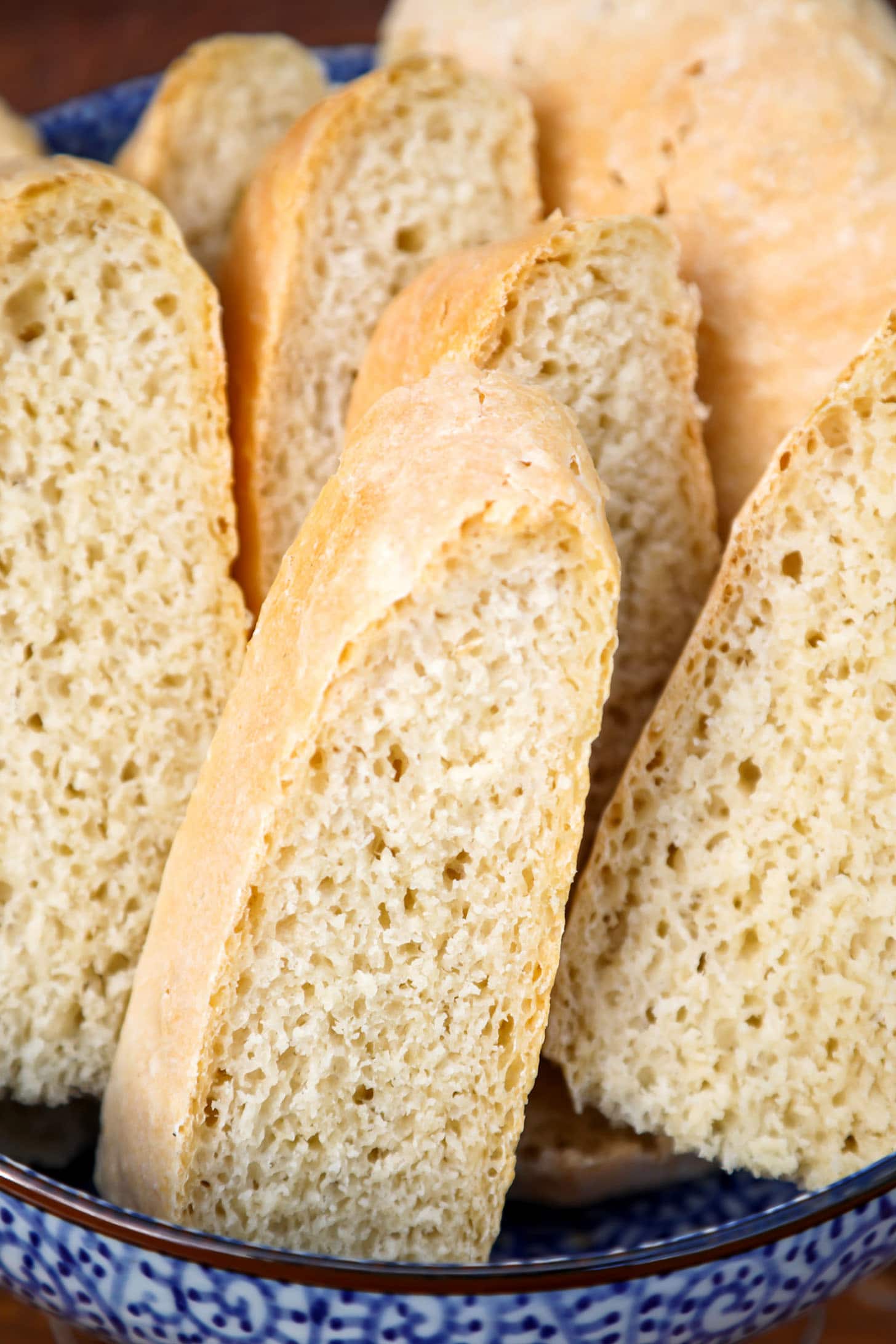

The Art of Bread: A Culinary Staple
Bread, a timeless culinary staple cherished across cultures and generations, holds a special place in the hearts and homes of many. From its humble beginnings as a simple mixture of flour and water to the diverse array of artisanal loaves found in bakeries today, bread has evolved into an art form that satisfies both hunger and soul.
One of the most fascinating aspects of bread is its versatility. Whether it’s a crusty baguette perfect for dipping into olive oil, a soft sandwich loaf ideal for making PB&J, or a sweet brioche that melts in your mouth, there’s a bread for every occasion and palate. The aroma of freshly baked bread wafting through the air is enough to make anyone’s stomach rumble with anticipation.
But bread is more than just a delicious food item; it also carries cultural significance. In many societies, breaking bread together symbolizes unity, friendship, and hospitality. The act of sharing a loaf can create bonds that transcend language barriers and bring people closer together.
For those who enjoy baking, making bread from scratch can be a therapeutic experience. Kneading the dough by hand, watching it rise to perfection, and savoring the warm loaf fresh from the oven are all part of the joy of bread-making. It’s a process that requires patience and precision but rewards with a sense of accomplishment like no other.
As we celebrate the artistry and tradition of bread-making, let us not forget to appreciate the bakers who dedicate their time and skill to perfecting this age-old craft. Their passion for creating loaves that nourish both body and spirit is truly commendable.
So whether you prefer a classic sourdough boule, a seeded multigrain loaf, or a fluffy cinnamon swirl bread, take a moment to relish in the magic of bread – a culinary delight that has stood the test of time and continues to bring joy to millions around the world.
Exploring Bread: From Ancient Origins to Healthiest Choices
- Is the healthiest bread to eat?
- Why did God not want yeast in bread?
- What is the unhealthiest type of bread?
- What is the old name for bread?
- What are the 7 types of bread?
- What are the 10 breads?
- What is the oldest bread?
Is the healthiest bread to eat?
When it comes to the question of the healthiest bread to eat, the answer can vary depending on individual dietary needs and preferences. Whole grain bread, such as whole wheat or whole grain rye bread, is often considered a nutritious choice due to its higher fiber content and potential benefits for heart health. Additionally, breads made from ancient grains like quinoa or spelt may offer unique nutritional profiles. It’s essential to look for breads with minimal added sugars and preservatives while considering factors like gluten sensitivity or carb intake. Ultimately, the healthiest bread for one person may not be the same for another, so it’s important to choose based on personal health goals and requirements.
Why did God not want yeast in bread?
In religious contexts, the absence of yeast in bread holds symbolic significance. In the Bible, particularly in the Old Testament, the prohibition against yeast in bread is linked to the observance of Passover. During this sacred Jewish holiday, unleavened bread, known as matzah, is consumed to commemorate the Israelites’ hasty departure from Egypt when they did not have time for their bread to rise. The removal of yeast represents purity and haste, emphasizing the need for humility and readiness to follow God’s will without delay. This tradition serves as a reminder of faith, obedience, and spiritual renewal within the context of divine teachings.
What is the unhealthiest type of bread?
When it comes to identifying the unhealthiest type of bread, it often boils down to factors such as high sugar content, refined grains, and additives. White bread, known for its soft texture and mild flavor, is often considered one of the least healthy options due to its high level of processing and low fiber content. Additionally, certain types of sweet bread like cinnamon swirl or frosted varieties can be laden with added sugars and calories, making them less nutritious choices. Opting for whole grain or whole wheat breads over their refined counterparts can provide more fiber, vitamins, and minerals essential for a balanced diet. Making informed choices about the types of bread we consume can contribute to better overall health and well-being.
What is the old name for bread?
The old name for bread, dating back to ancient times, is “loaf.” Loaves of bread have been a fundamental food staple for centuries, symbolizing sustenance and community. The term “loaf” carries a sense of tradition and simplicity, harkening back to a time when bread was handcrafted with care and shared among families and friends. Today, while the word “bread” is more commonly used, the essence of the humble loaf as a source of nourishment and comfort remains unchanged.
What are the 7 types of bread?
When it comes to the diverse world of bread, there are countless varieties to explore, each with its own unique flavors, textures, and cultural significance. While the list of bread types is extensive, some popular categories include sourdough, whole wheat, rye, multigrain, baguette, brioche, and ciabatta. From the tangy profile of sourdough to the hearty goodness of whole wheat and the airy texture of a classic baguette, each type of bread offers a delightful experience for the taste buds. Whether enjoyed fresh from the oven or toasted to perfection, these seven types of bread showcase the artistry and craftsmanship that make this culinary staple a beloved favorite worldwide.
What are the 10 breads?
The question “What are the 10 breads?” often arises among bread enthusiasts looking to explore the diverse world of baked goods. While the answer may vary depending on individual preferences and regional specialties, some common types of bread that frequently make the list include classic choices like sourdough, baguette, whole wheat, rye, ciabatta, challah, pita, focaccia, brioche, and multigrain. Each of these bread varieties offers a unique texture, flavor profile, and baking method, showcasing the rich tapestry of options available to those seeking to expand their bread horizons.
What is the oldest bread?
The oldest bread known to date is believed to be a 14,000-year-old flatbread discovered in Jordan. This ancient loaf, made from wild cereals and tubers, provides fascinating insights into the early origins of bread-making and agriculture. The discovery of this prehistoric bread not only showcases the resourcefulness of our ancestors but also highlights the enduring importance of bread as a fundamental food staple throughout human history.